Fascinating Flea Facts

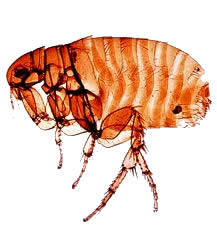
flea• Fleas date back 40 million years.
• Fleas can pull 160,000 times their own weight, which is like you pulling 2,679 double-decker buses.
• A flea can jump 30,000 times without stopping.
• Female fleas can drink 15 times their weight in blood.
• Fleas don’t have ears and are virtually blind.
• Fleas can transmit diseases to humans. Fleas jumping from rats to humans transmitted the cause of the Black Plague in 1664, killing 70,000 people.
• The average flea is 2-3 mm long and weighs half a grain (equivalent to 32 milligrams or 0.03 grams).
• Fleas reverse direction with every jump.
• Flea larvae don’t like the light so they move away from it, deep into carpets, cracks in flooring or any nook or cranny.
• When a flea jumps, it accelerates 50 times faster than a space shuttle.
• Fleas can lay up to 1,500 eggs in a lifetime.
• Flea pupae can live for up to 1 year in homes.
• A flea’s life cycle can be as short as 14 days or up to 12 months.
• 95% of flea eggs, larvae and pupae live in beds, rugs, carpets and sofas – not on your pet.
• Just one flea can become 1,000 on your pet and in your home in only 21 days.
Ask us for advice on treating your pet against these hardy parasites

Very friendly staff. They really take great care of your pet. Steve is very helpful, gives lots of great advice. Highly recommended !

Jean

The place to go for the best care for your pets, not just a number – personal touch and loving interest in each animal. Steve and his crew are always ready to take care of our pets whenever the need arises.

A. O'Reilly

Jean

riverforest vets leixlip

Vaccinations

Vaccinations in Dogs

Your puppy can be given their first vaccination from 6 weeks with a follow up vaccination then given at 10 weeks. This injection will protect your puppy from Canine Parvovirus, Canine Distemper, Infection Canine Hepatitis, Parainfluenza and Canine Leptospirosis.

These infections are often fatal in unprotected animals. At this appointment you will be given a vaccination card which we will record your pet’s vaccination details.

This card will be unique to your pet – please remember to bring it along every time your pet visits us for any vaccination.

Kennel cough vaccinations take only 3 days to provide protection so book with us before your pet goes into the kennels.

We will send you out a yearly reminder for your pet’s vaccinations.


Vaccinations in Cats

The ideal time for your kitten to have its first part of a two course vaccination is at the age of 9 weeks. This injection will protect your kitten from:

  • Feline Enteritis or Panleukopenia, a virus that causes severe and often fatal gastroenteritis. It is most common in kittens and young cats – the mortality rate is very high.
  • Feline Respiratory Disease or Cat Flu affects cats of any age and although it is not as life threatening as other diseases it causes suffering often for many weeks. Flu and enteritis vaccines are necessary requirements for catteries.
  • Feline Leukaemia Virus – a disease resulting from this is invariably fatal, it affects the immune and blood systems and can cause tumours. Fighting among cats spreads the virus, along with grooming and bowl sharing.

At this appointment you will be given a vaccination card which we will record your pet’s vaccination details. This card will be unique to your pet – please remember to bring it along every time your cat visits us for any vaccination. Your pet will also be given a full health check by us, with advice on worming, dietary needs and preventative flea treatment.

The 2nd vaccination should be given 15 – 21 days after the 1st. After these initial vaccinations, keep kitten indoors for a further 7 – 10 days, allowing the immune system to respond.

Your pet’s next vaccination (booster) will be an annual injection from the date of the 2nd, and we will of course send you a reminder.

Very friendly staff. They really take great care of your pet. Steve is very helpful, gives lots of great advice. Highly recommended !

Jean

The place to go for the best care for your pets, not just a number – personal touch and loving interest in each animal. Steve and his crew are always ready to take care of our pets whenever the need arises.

A. O'Reilly

Jean

riverforest vets leixlip

How to feed your rabbit correctly

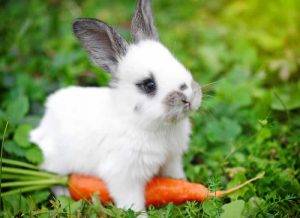
rabbitFeeding your rabbit is easy. Grass or good quality hay and a selection of fresh food (or a nutritionally balanced complete rabbit food) and a constant supply of fresh water are all that is required.

  • Rabbits have a unique dental and digestive system. For these to function properly, your rabbit must have a diet that is high in fibre, low in protein and low in energy.

  • As pet owners, we like to think that we are doing the best for our rabbits and are all too ready to provide them with a diet that is too rich and contains insufficient roughage.

  • Without the fibre, you will have constant teeth and digestive problems which mean a very poor quality of life for your pet rabbit.

    Rabbits in the wild are grazers. If the diet is inadequate, these are the problems you may see:

    • • hairballs
    • • chronic soft faeces instead of hard normal pellets
    • • diarrhoea
    • • obesity
    • • teeth problems which can be so severe as to form an abscess. If this happens, it may be too late for treatment to be successful
    • • eye or tear duct infections which are secondary to teeth problems as the tooth roots grow abnormally and affect the tear duct.

      Grass and hay

      In the wild, rabbits spend many hours each day devouring grasses, the availability and nutritional value of their diet slowly changing with the seasons.

    • Not only does a wild rabbit’s diet provide most of the nourishment and roughage they require, it also helps keep their teeth trim. A scientifically developed complete rabbit food will contain ingredients such as alfalfa which is high in fibre and will make your rabbit work at digesting its food.

    • However, you should also provide a constant supply of grass or hay for your rabbit to eat whenever it wishes.

      Undoubtedly, one of the best ways to allow a rabbit access to grass is by using a portable run which can be moved around an area of fresh, medium length grass, although in practice this often proves difficult in the average garden.

    • There’s nothing wrong with having a portable run on the lawn, but you will need to guarantee that it is free from weedkillers and chemicals. You should also introduce your rabbit to grass slowly, allowing it no more than 10 minutes grazing on the first day and building up the time slowly over a period of a week.

      Good quality hay is a totally acceptable alternative, but you should make sure that it is fresh and sweet smelling as old hay tends to be low in calcium and can often be laden with mites and fungal spores. Your nose will tell you when it is off!

      You could also try your rabbit with commercially prepared dried fresh grass. It is made for feeding to horses and can be bought from agricultural feed merchants or a good pet superstore.

      Vegetables

      Look to provide your rabbit with a small amount of different leafed and rooted vegetables, but stay away from beans and rhubarb. Never give vegetables that have come straight out of the fridge as they can cause quite a shock to your rabbit’s system. Always wait until they are at room temperature.

      Many rabbits have too little calcium in their diet which can result in brittle bones and teeth. Feeding green stuff such as fresh grass, cabbage leaves and dandelion leaves can help correct this.

    • However, feeding too much green stuff invariably results in soft stools indicating an imbalance in the gut flora. If this happens, stop feeding the vegetables immediately, clean your rabbit’s bottom and be prepared to visit your vet if it doesn’t clear up in a couple of days.

      Treats

      It’s only natural to want to give your sweet little whiskered pet a treat and pet stores are full of them. But think before you rush out and buy them. Treats, made of seeds and grains held together into sticks with honey and other sugars are bad for rabbits if they are given too frequently.

    • Seeds are high in fat and are important for wintering animals.

    • Your rabbit has no such need. A rabbit’s metabolism is geared for a low fat diet and the excess is not burned off but is stored as body fat.

    • Rabbits appear to be more sensitive to fat than humans are and in addition to obesity, the excess fat can accumulate in your rabbit’s liver and arteries.

      The best treats you can give are carrots, fresh apple wood or even a hard-baked bread crust to chew on.

      Water

      Your rabbit should have access to fresh water 24 hours a day. If you keep your rabbit in an outside hutch throughout the winter, change the water twice or three times a day to prevent it freezing.

Very friendly staff. They really take great care of your pet. Steve is very helpful, gives lots of great advice. Highly recommended !

Jean

The place to go for the best care for your pets, not just a number – personal touch and loving interest in each animal. Steve and his crew are always ready to take care of our pets whenever the need arises.

A. O'Reilly

Jean

riverforest vets leixlip

How to house a happy Rabbit

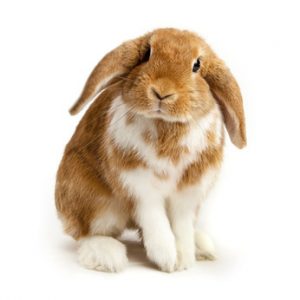
rabbitRabbits make good house pets and can be easily litter trained. However they love to chew and can be destructive to furniture, wallpaper and carpets.

It is best to supervise your rabbit whilst loose in the house, and to have a secure cage or pen that it can be kept in when you are out and at night.

Outside rabbits may be housed in a hutch, but should always have access to a grassed run.

Cages should be as large as possible and allow your rabbit to stand up fully on its hind legs and perform at least three consecutive hops. No hutch can be too big but it can be too small. Large or giant breeds obviously need even more space.

The hutch should be divided into an enclosed sleeping area where your rabbit can hide and a larger area for daytime use. Clean bedding should be provided regularly.

House rabbits may be kept on soft towels or shredded paper. Outside rabbits may be kept on wood shavings or straw. Barley straw is recommended as it is softer than wheat or oat straw and there is less likelihood of it damaging the eyes.

Avoid dusty or mouldy straw as this can predispose your rabbit to developing respiratory problems. Sawdust should be avoided as it is dusty and can irritate the eyes. It is important, but also easy and inexpensive to provide your rabbit with many activities and toys to prevent boredom.

Everyday household items can be used such as plant pots, boxes or tubes.

This will ensure a happy rabbit.

Very friendly staff. They really take great care of your pet. Steve is very helpful, gives lots of great advice. Highly recommended !

Jean

The place to go for the best care for your pets, not just a number – personal touch and loving interest in each animal. Steve and his crew are always ready to take care of our pets whenever the need arises.

A. O'Reilly

Jean

riverforest vets leixlip

How to house a happy guinea-pig

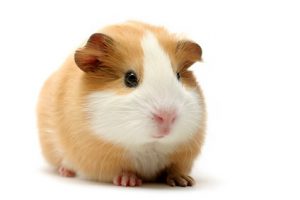
guineapigWith proper care and attention, your guinea pig can live for up to 10 happy years and sometimes longer. 4 – 5 years is typical though for a domestic guinea pig.

As children are their main owners, here are some guidelines on keeping your guinea pig healthy and happy.

Guinea pigs are friendly, chatty and very responsive to caring owners.

They each have their own character which makes them endlessly fascinating.

They are herd animals and would naturally live in large groups. They are also known as cavies as they originate in caves and rocky areas in South America where they live in colonies as a form of defence against ever present predators.

As they are so gregarious, they do get lonely and it is best to keep at least 2 together, but beware the speed with which a mixed pair will breed. If you do want to breed, the sow must be between 5 and 9 months before she has her first litter.

You can keep any number of females together. Males or boars are best kept in pairs – if a younger male is introduced to an older one, he must have a tube or pipe he can hide in initially to hide from his bigger new hutch mate.

Do not keep guinea pigs and rabbits together if they have not already been used to each other from a very young age. Rabbits have strong back legs and uncontrollable urges in uncastrated males to mate. This may lead to sometimes potentially fatal wounds in your guinea pig.

Ensure that the hutch they live in is large enough for your guinea pig to stand on its hindlegs without its head touching the roof. Outdoor hutches should have a sloping roof with an overhang to protect it from bad weather and covered with roofing felt to prevent it leaking. It should be away from draughts and direct sunlight.

It should be raised off the ground and have mesh with holes that are very small to prevent mice from entering. This happens commonly as mice are attracted to your guinea pig’s food. They can spread disease.

Guinea pigs are heat and cold sensitive so never keep them in greenhouses. Do not keep their hutches in garages that house cars as they may be affected by the car fumes. Their enclosure can be brought indoors if it gets too cold but keep them away from other pets, the TV and radiators.

They will need an enclosed outdoor run – the tent-shaped varieties are very good as predators such as cats and foxes are unable to enter.

Ensure that there is always somewhere it can hide – a tube or drainpipe is adequate just in case it sights a predator. Outdoors is where you can watch your guinea pig running around and squeaking happily.

Any signs of lethargy, not eating or scratching means we will need to see your little pet.

We advise feeding guinea pig food to your pet. Guinea pigs are unable to process Vitamin C and require supplementing.

Very friendly staff. They really take great care of your pet. Steve is very helpful, gives lots of great advice. Highly recommended !

Jean

The place to go for the best care for your pets, not just a number – personal touch and loving interest in each animal. Steve and his crew are always ready to take care of our pets whenever the need arises.

A. O'Reilly

Jean

riverforest vets leixlip

All about hamsters

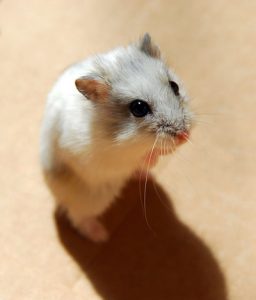
  • hamsterHamsters are the most popular of the small pets. They are very clever and adventurous little animals and deserve consideration, care and commitment from their owner.

    History

    It is believed that all the Syrian hamsters (the usual bigger hamsters that we see most commonly) all originate from one female and her litter captured in the Syrian desert in the 1930s.

  • Hamsters belong to the rodent family and their name ‘hamster’ is derived from the German word ‘hamstern’ which means ‘ to hoard’.

  • Wild hamsters live in hot areas of Central Asia. To avoid the heat of the day, hamsters live in burrows and are nocturnal.

    In the cool of the evening and during the night hamsters will search for food and can travel up to 8 miles in one night. This might explain why your pet hamster can be up for hours running in its wheel as soon as the lights go out. They run such distances to collect food in their cheek pouches and return to their burrows and empty the cheek pouches into their food store. They are able to carry up to half their body weight in their pouches.

    Their latin name Mesocricetus auratus means ‘golden hair.’

    Feeding your hamster

    In their natural habitat, hamsters eat a range of grasses, wind-blown seeds and grain. Hamsters are often mistaken as herbivores, but they are omnivores and need high amounts of protein in their diet to keep them healthy. Left alone in the wild, they will find grubs and insects to supplement their diet. The bulk of their diet is cereals and other hard foods which are chewed and digested slowly. This slow eating would make them easy targets in the wild, so they would normally bring their food back to their burrow to eat it in the safety of their own home. This also allows them to hoard spare food, in case it becomes difficult to find food at a later date.

    A balanced, coarse mix of hamster food is recommended). As long as there is a good mix of ingredients such as alfalfa, maize, wheat, naked oats, beans, peas and sunflower seeds to provide just the right amount of protein in your hamster’s diet.

    This variety of ingredients encourages foraging – a natural behaviour in hamsters. Hamsters need feeding everyday. As they are nocturnal, an evening meal is better for them. They will normally wake at feeding time and will be happy to play with you once they have been fed. A good quality heavy, earthenware food bowl is essential to keep the food dry and clean. Plastic should be avoided as hamsters will chew it. Their bowls must be cleaned after every use.

    Treats that you buy or small pieces of apple, carrot or maize (that hamsters love) can be hidden around the cage to encourage your hamster to forage.

    You should try to prevent your hamster from becoming a selective feeder and leaving some of his food by reducing the amount you feed him until he eats all of it. Then slowly increase the amount again to the recommended daily allowance. Ensure there is fresh water available at all times.

    Housing your hamster

    Hamsters can be housed in a wire cage with a plastic base, a plastic hamster home or an adapted aquarium (vivarium) with a well-ventilated cover. Wooden cages should not be used as hamsters can chew their way out. The most important thing to remember is that a hamster home can never be too big – they love to explore and exercise.

    Multi – level cages are a good idea as they add interest to the hamster’s environment – but be careful with plastic tubes as the larger Syrian hamsters may get stuck. Provide soft bedding under the hole or a little ladder. The hamster home must always have a place for your hamster to rest and hide, and another area for play, exercise and feeding.

    Hamsters must always be kept indoors and careful thought should be given to where your hamster’s home is situated. The temperature in the room should always be constant, away from direct sunlight and draughts and away from constant noise (such as a freezer). Because they have sensitive hearing, they should never be placed near a television, CD player Hi-fi etc.

    Choose a cleaner that eliminates odours, germs and bacteria. There are cleaners from petshops that are specific for hamster cages. Clean the cage regularly or as soon as there is any odour.

    Use bedding that is absorbent but be careful of synthetic bedding as this could harm your hamster if he ate it and might block his cheek pouches, food pipe or gut. Use a natural bedding such as good quality barley straw which is treated with a cleaning agent and is dust – free.

    Exercise

    It is extremely important that your hamster has the opportunity to exercise every day.

    If you provide a wheel for your hamster to play in, it MUST be big enough so that the hamster does not have to bend his back when he is inside, and must have a solid floor rather than rungs as these can cause injuries to the feet and tail. Although hamsters sleep during the day, they are really energetic and will exercise for 3 – 4 hours a night.

    A hamster’s natural instinct is to forage and explore. Mealtime is always over too quickly and this could mean that your hamster will get bored. It only takes a few items to create an exciting environment for him to be in.

    Place objects like tubes, tunnels and small cardboard boxes in the cage for him to play with. Place twigs of willow, beech or hazel in the cage for him to climb and gnaw on. By hiding food and the occasional treat in different areas of the hamster’s cage, he will be forced to hunt for his food – this will keep him happy for many hours and prevent boredom.

    The rolling exercise balls are fun and excellent ways to exercise your hamster but make sure that the latch is closed securely.

    Handling your hamster

    Before attempting handling, make sure that your hamster is fully awake and alert. Try not to wake your hamster suddenly if he is asleep.

    Always approach him slowly and gently. Place a closed fist in front of your pet and allow him to approach and sniff you. Hamsters rely on smells rather than sound and therefore smell is important so they can detect what is approaching. If your hamster is confident and appears interested, slowly unclench your fist and offer your palm. He may well crawl onto your hand or you can gently scoop him up. Cup him in the palms of your two hands to ensure that he is safe and won’t be dropped. Lift him up slowly. To ensure he is safe at all times, you should hold him over your lap or close to your chest.

    Never scruff a hamster to pick him up as this can put immense pressure on the head region possibly resulting in the eyeball popping out.

Very friendly staff. They really take great care of your pet. Steve is very helpful, gives lots of great advice. Highly recommended !

Jean

The place to go for the best care for your pets, not just a number – personal touch and loving interest in each animal. Steve and his crew are always ready to take care of our pets whenever the need arises.

A. O'Reilly

Jean

riverforest vets leixlip